


Quartz and quartzite are two of the most popular countertop materials on the market — and two of the most commonly confused. The names sound almost identical, but these are very different materials with different origins, appearances, and maintenance requirements.
If you’re trying to decide between the two for your Boston kitchen or bathroom, this guide breaks down everything you need to know.
The Key Difference: Engineered vs Natural
This is the most important distinction:
- Quartz is an engineered stone — manufactured by combining 90–95% ground quartz with polymer resins and pigments. It’s made in a factory and comes in consistent, predictable patterns and colors.
- Quartzite is a natural stone — formed when sandstone is subjected to extreme heat and pressure deep in the earth. It’s quarried, cut into slabs, and every piece is unique.
In short: quartz is made, quartzite is found.
Appearance
Quartz has a uniform, consistent look. Because it’s manufactured, colors and patterns are controlled and predictable. This makes it easier to match across multiple slabs — useful for large kitchens with long runs of countertop.
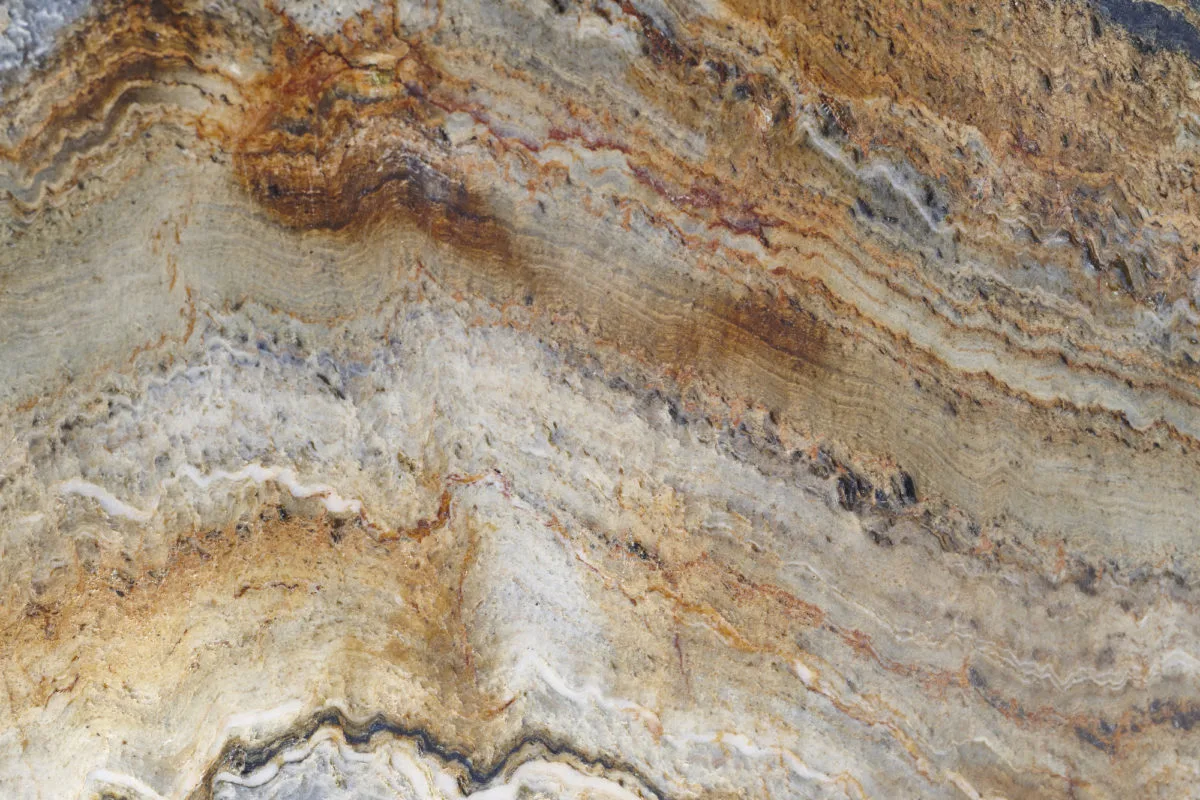
Quartzite has the look of natural stone — dramatic veining, movement, and variation that no engineered material can fully replicate. Taj Mahal, Super White, and Macaubas are some of the most sought-after quartzite slabs. Each slab is one-of-a-kind.

Durability
Both are durable, but in different ways:
- Quartz is highly resistant to staining and scratching. Because it’s non-porous, liquids can’t penetrate the surface. It does not handle heat well — the resin binder can discolor or crack under high heat, so trivets are a must.
- Quartzite is one of the hardest natural stones available — harder than granite. It handles heat better than quartz, making it more forgiving around stoves and ovens. However, it is porous and needs to be sealed regularly to resist staining.
Maintenance
Quartz is the easier of the two to maintain:
- Never needs sealing
- Cleans with mild soap and water
- Non-porous — naturally resistant to bacteria and moisture
Quartzite requires more attention:
- Needs to be sealed on installation and resealed annually or as needed
- Porous — can stain if spills are not wiped up quickly
- Clean with pH-neutral stone cleaner, not acidic products
Cost
Both materials fall in a similar price range, though quartzite tends to run slightly higher due to the cost of natural stone quarrying and the uniqueness of each slab. Rare quartzite varieties like Taj Mahal or Eramosa can command premium prices.
Quartz pricing is more predictable — because it’s manufactured, pricing is more standardized across brands and styles.
Which Should You Choose?
Here’s a simple way to think about it:
- Choose quartz if: you want low maintenance, consistent color matching, and a non-porous surface that never needs sealing.
- Choose quartzite if: you love the look of natural stone, want something truly unique, and don’t mind annual sealing and slightly more careful maintenance.
Both are excellent countertop materials — the right choice depends on your lifestyle, aesthetic, and how much maintenance you’re willing to do.
See Both in Person
The best way to decide is to see the slabs side by side. At Pablo Marble and Granite in Woburn, MA, we carry a wide selection of both quartz and quartzite and can walk you through the differences in person.
Not sure which is right for you?
Book a free consultation and we’ll help you compare options, see actual slabs, and get a quote for your project.
Browse our quartz countertop options and quartzite countertop options to see what we currently carry.