



Marble countertops are stunning — there’s simply no other material that delivers the same level of elegance and natural beauty. But marble is also one of the higher-maintenance countertop options, and homeowners who don’t know what they’re getting into can end up disappointed.
This guide covers everything you need to know to care for marble countertops and keep them looking beautiful for decades.
Understanding Why Marble Needs Special Care
Marble is a natural stone formed from limestone under heat and pressure. Its main mineral component is calcite — which is why marble is vulnerable to acids. Any acidic substance (lemon juice, vinegar, wine, tomato sauce, coffee) can etch the surface, leaving dull spots that look like watermarks.
Marble is also porous, which means liquids can penetrate the surface and cause staining if not sealed and wiped up quickly.
Once you understand these two weaknesses — etching from acids and staining from liquids — caring for marble becomes straightforward.
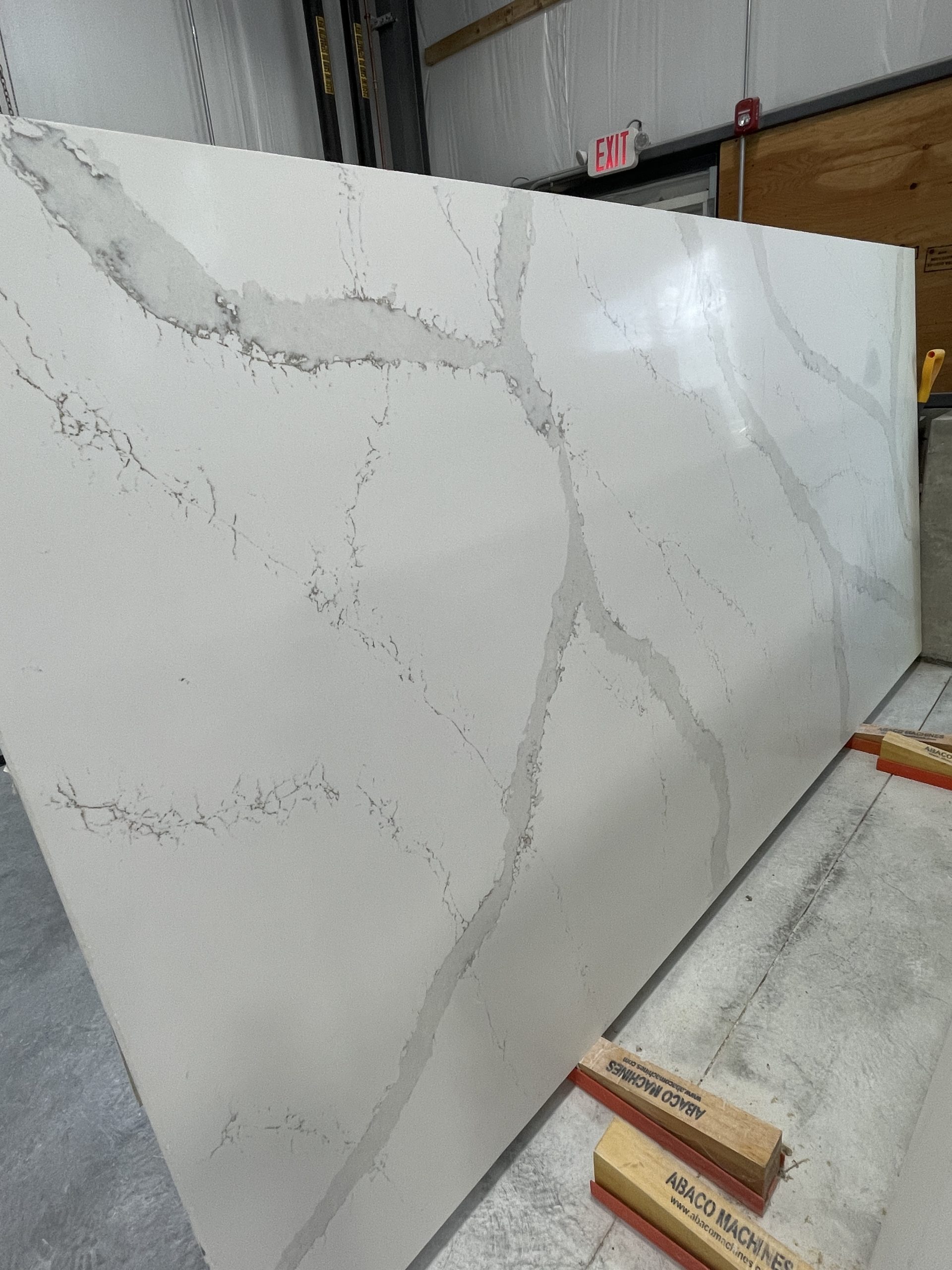
Sealing: The First Line of Defense
Before your marble countertop sees any use, it should be sealed. Sealing fills the pores of the stone and creates a barrier that slows the absorption of liquids. It won’t make marble stain-proof, but it gives you more time to wipe up spills before they penetrate.
How often to seal marble: Most marble countertops need to be resealed every 6–12 months depending on use and the porosity of the specific stone. A simple test: drop a few water droplets on the surface. If the water beads up, the seal is still good. If it absorbs within a few minutes, it’s time to reseal.
At Pablo Marble and Granite, we seal all marble countertops on installation. We recommend scheduling a reseal annually to maintain protection.
Daily Cleaning
For everyday cleaning, keep it simple and gentle:
- Use a pH-neutral stone cleaner or mild dish soap diluted in warm water
- Soft microfiber cloths only — never abrasive sponges or scrubbing pads
- Wipe up spills immediately — especially anything acidic
- Dry the surface after cleaning to prevent water spots and mineral deposits
What to Avoid on Marble
- Acidic cleaners: Vinegar, lemon juice, bleach, and most bathroom cleaners are acidic and will etch marble immediately. Never use them on marble surfaces.
- Abrasive scrubbers: Steel wool, rough sponges, and abrasive powders will scratch the polished surface permanently.
- Leaving spills to sit: Even water can leave mineral deposits if left on marble for extended periods in hard water areas.
- Cutting directly on marble: Always use a cutting board. Marble can scratch, and knives will dull faster on stone.
- Heavy pots and pans: Marble can chip at edges if impacted by heavy cookware. Use care around sink cutouts and edges.
How to Deal with Etching
Etching is one of the most common marble problems — it looks like a dull, lighter spot on a polished surface, usually caused by an acidic spill that wasn’t wiped up fast enough.
Light etching can sometimes be buffed out with a marble polishing powder. Deeper etching requires professional honing and repolishing. If you notice etching, don’t try to fix it with household cleaners — they can make it worse.
How to Deal with Stains
Different stains require different treatments:
- Oil-based stains (cooking oil, grease): Apply a paste of baking soda and water, cover with plastic wrap, and leave overnight. The poultice draws the stain out of the stone.
- Organic stains (coffee, tea, wine): Mix hydrogen peroxide with a few drops of ammonia and apply to the stain. Let sit, then rinse thoroughly.
- Ink or marker: Rubbing alcohol on a cotton ball, applied carefully to the stained area.
For deep or persistent stains, call a stone care professional — DIY treatments can sometimes cause more damage.
Honing vs Polishing: Which Finish Is Right for You?
Marble countertops come in two primary finishes:
- Polished: High-gloss, reflective surface that shows off the veining and depth of the stone. More dramatic but shows etching more visibly.
- Honed: Matte or satin finish. Less formal-looking but much more forgiving — etching is less visible on a honed surface, making it a better choice for busy kitchens.
If you love marble but are worried about maintenance, a honed finish is the more practical choice for kitchen countertops.
Is Marble Worth It?
Absolutely — if you go in with realistic expectations. Marble is a living material that develops a patina over time. Many homeowners come to appreciate the natural wear as part of the stone’s character. The key is understanding what you’re signing up for and caring for it properly from day one.
Interested in marble countertops for your home?
Book a free consultation with our team in Woburn, MA. We’ll show you our marble selection, walk you through care requirements, and give you a free quote.
Learn more about our marble countertop options and the styles we carry.